




By Sen. Doug Mastriano (R-33)
Feb. 25 marked 35 years since a Scud missile strike tragically claimed the lives of 13 brave Pennsylvanians from the Greensburg-based 14th Quartermaster Detachment. This week, we pause to honor all who served and sacrificed during Operation Desert Storm, confronting Saddam Hussein’s battle-hardened Iraqi Army in 1991.
The conflict ignited on Aug. 2, 1990, when Iraq invaded and occupied Kuwait. President George H.W. Bush responded decisively, building a massive international coalition. By January 1991, nearly 700,000 U.S. troops — joined by 256,000 allied forces — stood ready. My higher headquarters, U.S. VII Corps (then stationed in Stuttgart, Germany), prepared grimly, ordering 10,000 body bags in expectation of heavy losses. The 2nd Armored Cavalry Regiment, my unit, was assigned the critical mission of spearheading the assault against Saddam’s elite Republican Guard.
Back in Pennsylvania, an extraordinary outpouring of faith sustained us—and much of the credit belongs to my wife, Rebbie, a true Army wife through and through. As newlyweds facing the uncertainty of deployment, she rallied more than 20 churches — ultimately 24 praying specifically for my squadron — to lift us up daily in prayer. She organized a powerful prayer network across communities that interceded faithfully for our safety and success. Families across the commonwealth tied yellow ribbons to trees and homes as visible symbols of hope, solidarity and unwavering support. Those prayers and gestures reached us profoundly on the front lines, reminding us that we were not alone.
After diplomatic efforts failed, the air campaign launched on Jan. 16, 1991 — a relentless 1,000-plus-hour bombardment that crippled Iraqi forces. Yet one persistent fear loomed: chemical weapons. Saddam had used them before against Iranians and Kurds, and prevailing winds typically blew south from Iraq into coalition positions, risking the spread of toxins deep into our lines.
The ground offensive officially began on Feb. 24, 1991, though my regiment crossed into Iraq a day earlier. As our tanks advanced and dust devils swirled across the desert, something remarkable occurred. The prevailing winds — steady southward for months — suddenly shifted north. This unexpected change meant any Iraqi chemical strike would blow back onto their own forces. The winds held that direction until precisely 8 a.m. on Feb. 28 — the exact hour the ceasefire took effect. Many of us saw this as a direct answer to the prayers of those faithful churches and families back home.
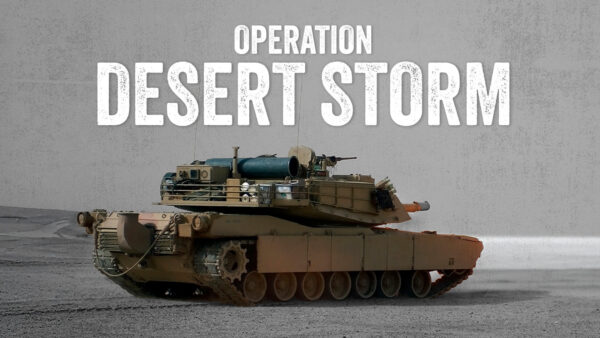
During the 100-hour ground war, coalition forces surged through southern Iraq and Kuwait. On Feb. 26, the Battle of 73 Easting unfolded — often called the last great tank battle of the 20th century. The 2nd Armored Cavalry led the charge against the Tawakalna Division of the Republican Guard and elements of the 12th and 52nd Armored Divisions. A fierce shamal windstorm swept in, blinding Iraqi forces while shielding ours, allowing us to press the attack decisively.
Victory liberated Kuwait swiftly — but at significant cost to Pennsylvania. Thousands of our sons and daughters deployed. The 14th Quartermaster Detachment suffered the single heaviest U.S. loss of the war when an Iraqi Scud missile struck their Dhahran barracks on Feb. 25, 1991, killing 13 and wounding 43.
Their names endure:
Spc. Steven E. Atherton, 26, Numine
Spc. John A. Boliver, Jr., 27, Monongahela
Sgt. Joseph P. Bongiorni III, 20, Hickory
Sgt. John T. Boxler, 44, Johnstown
Spc. Beverly S. Clark, 23, Armagh
Sgt. Allen B. Craver, 32, Penn Hills
Spc. Frank S. Keough, 22, North Huntingdon
Spc. Anthony E. Madison, 27, Monessen
Spc. Christine L. Mayes, 22, Rochester Mills
Spc. Steven J. Siko, 24, Latrobe
Spc. Thomas G. Stone, 20, Falconer
Sgt. Frank J. Walls, 20, Hawthorne
Spc. Richard V. Wolverton, 22, Latrobe
Robert Laurence Binyon’s 1914 poem captures their eternal legacy:
“They shall grow not old, as we that are left grow old:
Age shall not weary them, nor the years condemn.
At the going down of the sun and in the morning
We will remember them.”
May we forever honor the courage of Desert Storm veterans, the steadfast support of military families like my Rebbie and especially these Pennsylvanians who gave everything for liberty. Their sacrifice reminds us that freedom is never free — and in times of trial, faith and prayer can sustain a nation.