


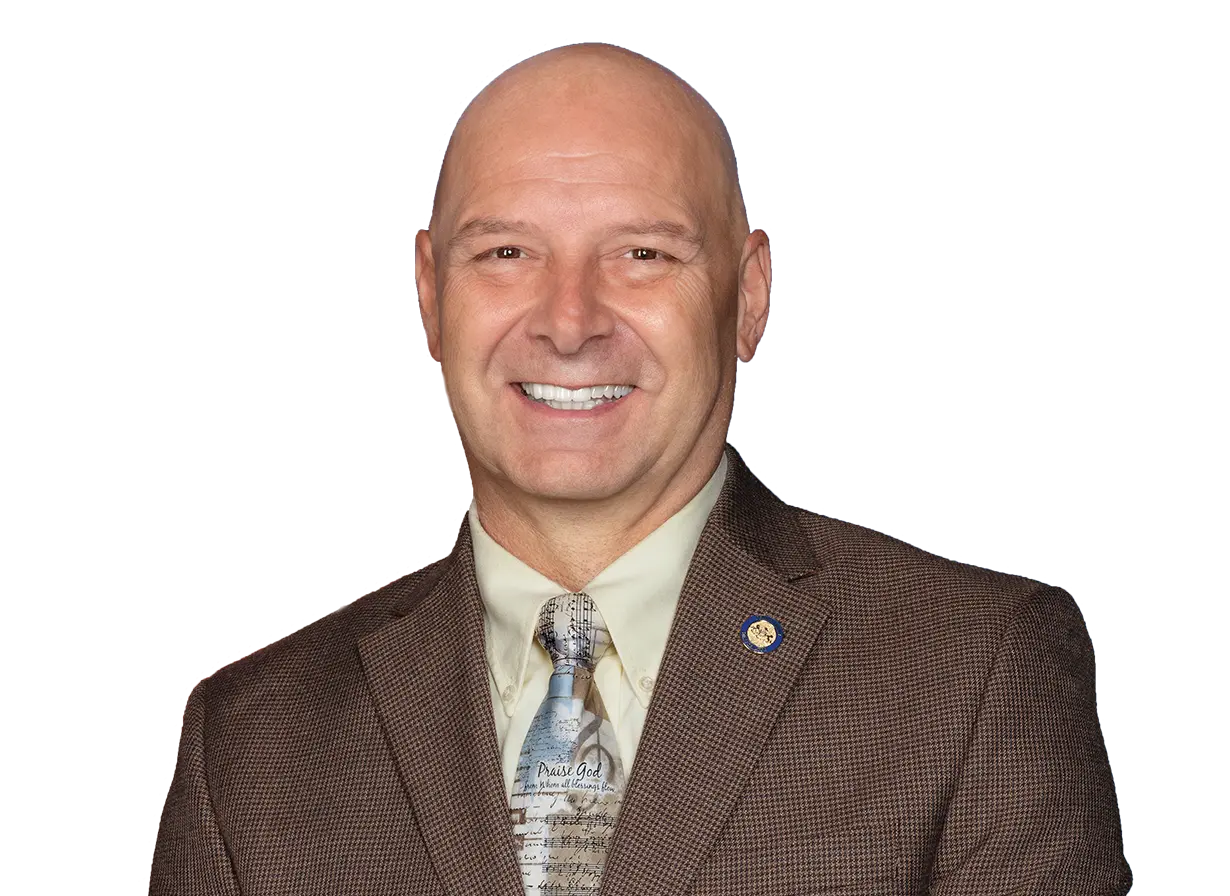

Sen. Doug Mastriano (R-33)
For decades, many Pennsylvania seniors have done everything right.
They worked hard. They paid their taxes. They raised families. They built communities. And year after year — sometimes for 40, 50, even 60 years — they paid property taxes on the homes they worked a lifetime to own.
Yet today, too many of these same seniors live with uncertainty, wondering if rising property taxes will one day force them from the homes they cherish most.
That is not right. And it is not how we should treat the people who helped build this commonwealth.
That is why I am introducing the Sam Worley Elderly Tax Relief Act, legislation designed to provide full property tax relief to long-term elderly homeowners and allow surviving spouses to remain in their homes with stability and dignity.
This bill is rooted in a simple belief: After decades of paying property taxes, there should come a time when that obligation ends.
The legislation is named in honor of Sam Worley, a World War II veteran who paid property taxes into his 100th year of life. His story reflects the lives of countless seniors across Pennsylvania — people who fulfilled their responsibilities year after year without complaint. They paid what was owed. They supported their schools, their municipalities and their counties.
But property taxes do not stop when income stops.
Many seniors live on fixed incomes from Social Security or modest retirement savings. As property taxes rise, their budgets do not. Each increase becomes harder to absorb. Over time, what was once manageable becomes overwhelming.
This legislation addresses that reality.
Under the Sam Worley Elderly Tax Relief Act, homeowners who are 75 years of age or older, who have lived in Pennsylvania for at least 10 consecutive years and who have owned and occupied the same primary residence for at least 10 years would qualify for a full exemption from school, county and municipal property taxes on their primary residence.
These are not short-term residents or speculative property owners. These are long-term members of our communities — people who have demonstrated commitment and responsibility over decades.
Just as importantly, this legislation ensures surviving spouses may continue to receive the property tax exemption, regardless of age, so long as they continue living in the home as their primary residence. No widow or widower should be forced from their home during one of the most difficult periods of their life.
Some will ask how we can afford such relief.
That is a fair question — and one that deserves a serious answer.
The reality is this program is narrowly targeted. Eligibility begins at age 75 and requires long-term residency and ownership. The number of qualifying homeowners is limited and predictable. This is not an open-ended entitlement. It is focused relief for those most at risk of being priced out of their homes.
We also have an obligation to weigh cost against consequence. When seniors lose their homes, communities lose stability. Families lose generational property. Local support systems become strained. Keeping seniors in their homes is not only compassionate — it is practical.
Homeownership represents more than property. It represents security, memory and belonging.
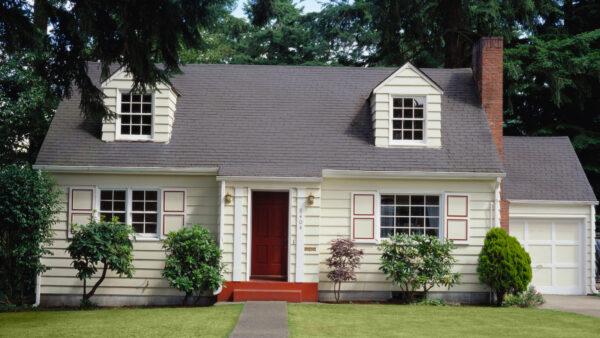
For many seniors, their home is the place where their children were raised, where holidays were celebrated and where neighbors became lifelong friends. It is not simply real estate — it is a lifetime of memories.
Pennsylvania has long valued hard work, responsibility and service. The Sam Worley Elderly Tax Relief Act reflects those values.
This legislation is about fairness.
It is about stability.
And it is about respect for the generations who helped build the commonwealth we now enjoy.
After a lifetime of paying property taxes, our seniors deserve the peace of mind that comes from knowing they can remain in their homes — without fear of being taxed out of them.
That is a promise worth making.
Sen. Doug Mastriano represents the 33rd Senatorial District of Pennsylvania, covering all of Adams and Franklin counties.